
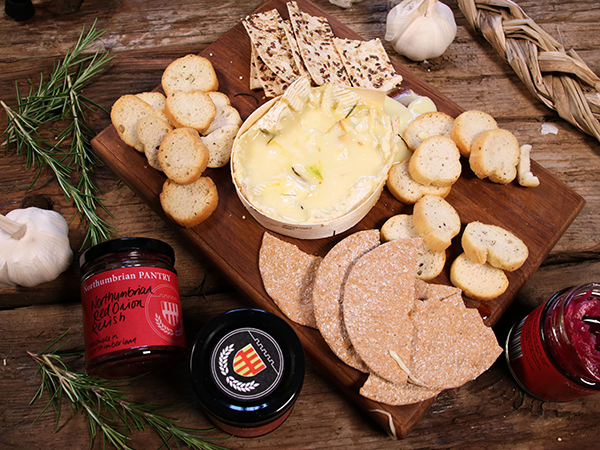
When we think of soft white cheeses, we are transported to France and think specifically of the more common varieties of Brie and Camembert. Their distinctive velvety rinds, and soft centre, provide a soft, lighter and whiter contribution to the cheeseboard.
The creamy interior is achieved from retaining a high percentage of whey in the making of the cheese, with only the weight of the curd used to press out the excess whey lightly. The surface of the cheese is made up of, here goes; penicillium condidum, which is a velvety coat made up of millions of microscopic mushrooms from the penicillin family.
The soft creamy, yellowy, centre makes these cheeses so distinct with the mushroomy influence of the rind varying from cheese to cheese. The tastes vary as the cheese moves from mild to strong ranging from button mushroom notes through to stronger wild mushroom taste. The centre can vary from a light sweet hay notes to a fuller buttery, peppery bite and more earthy.
A question often asked is “what is the difference between Brie and Camembert”?
Brie is made in large steering wheel sized rounds, so we often see it as already cut sections. It comes from the northern part of France, about 90 miles East of Paris, and has been made there for over 1000 years. Brie is softer smoother with a more refined buttery taste with Camembert being subtly deeper, earthy and slightly more intense.
Camembert is made in Normandy and comes in smaller handheld wooden boxes and has only been made there since the 18th century. It is thought that the wooden boxes allowed the cheese to be transported to the markets in Paris more easily.
One of the best ways to enjoy these cheeses, and in particular Camembert, is heated up in the oven with added garlic and rosemary and spooned onto crispy fresh bread with our ‘Red Onion Relish’.
Brie’s softer, more delicate taste goes superbly well with our ‘Tomato and Red Pepper Chutney’ on a sourdough cracker. It’s our lightest chutney, so a perfect match.
We love the seasonal special Vacherin Mont d’Or, which is only available in the winter months when the alpine cows of France and Switzerland descend from the hilltops. The liquid interior hints of farmyards and meadow flowers with spruce aromas from the wooden box it comes in. This will be incredibly difficult to find this year, so be sure to put your orders in at your local deli or cheesemonger.
We like to accompany French cheese with the wine or tipple of the region. The French serve calvados, an apple or pear brandy from Normandy or buttery Chardonnays with Brie.
Soft white cheeses are now readily available throughout the UK with your local deli or cheesemonger able to direct you and advise on what’s suited to your taste. Our favourite is the camembert style Tunworth made in Hampshire which is as good as any of its continental cousins we have tried.
Soft white cheeses are a perfect starting point of any cheeseboard. Not only do they visually stand out, but they are gentler on the pallet before riding into the blue cheeses. The whites also contrast beautifully with our wonderfully colourful jars.