
It’s Valentine’s Day in the North Tyne Valley, and finally, the snow is beginning to thaw. The past week has undoubtedly been the coldest spell we’ve had since moving to Simonburn from Botswana in 2014.
We’ve embraced the Beast from the East 2, with a couple of days sledging, and the opportunity to cosy up indoors by the fire and do some good planning for the year. We certainly have been busy on that side of the company, with six new recipes coming in March which we are very excited about.
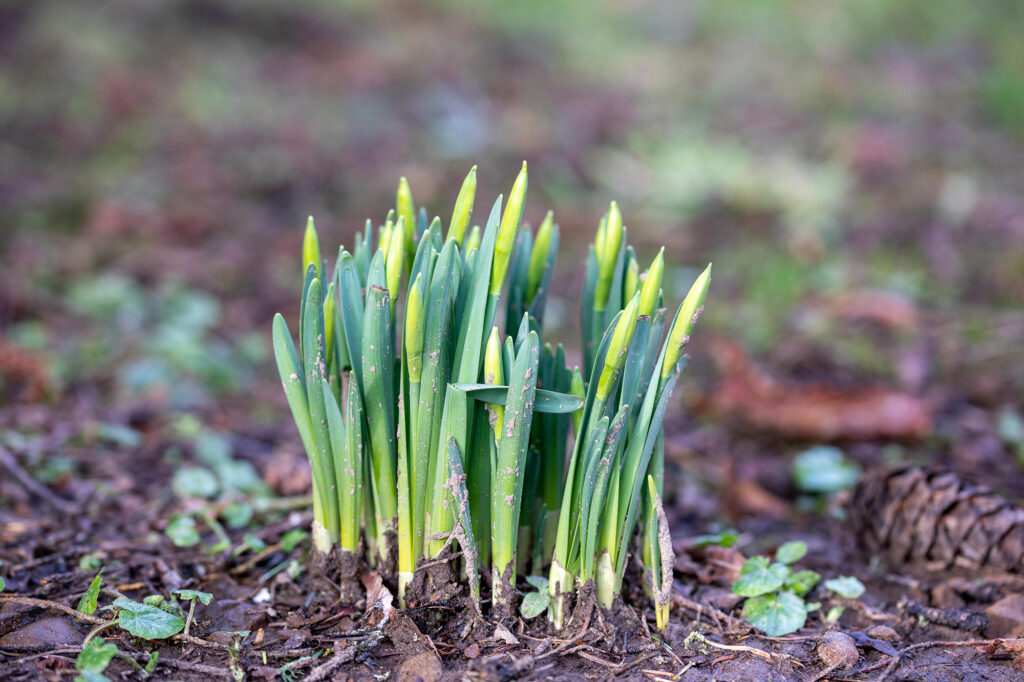
Seeing the first daffodil flowering of the season is always a fond occasion for our family. It signals that Spring is nearly here. Although still only February, the evenings are drawing out now and we can enjoy post Pantry working hour walks with the dogs while it’s still light.
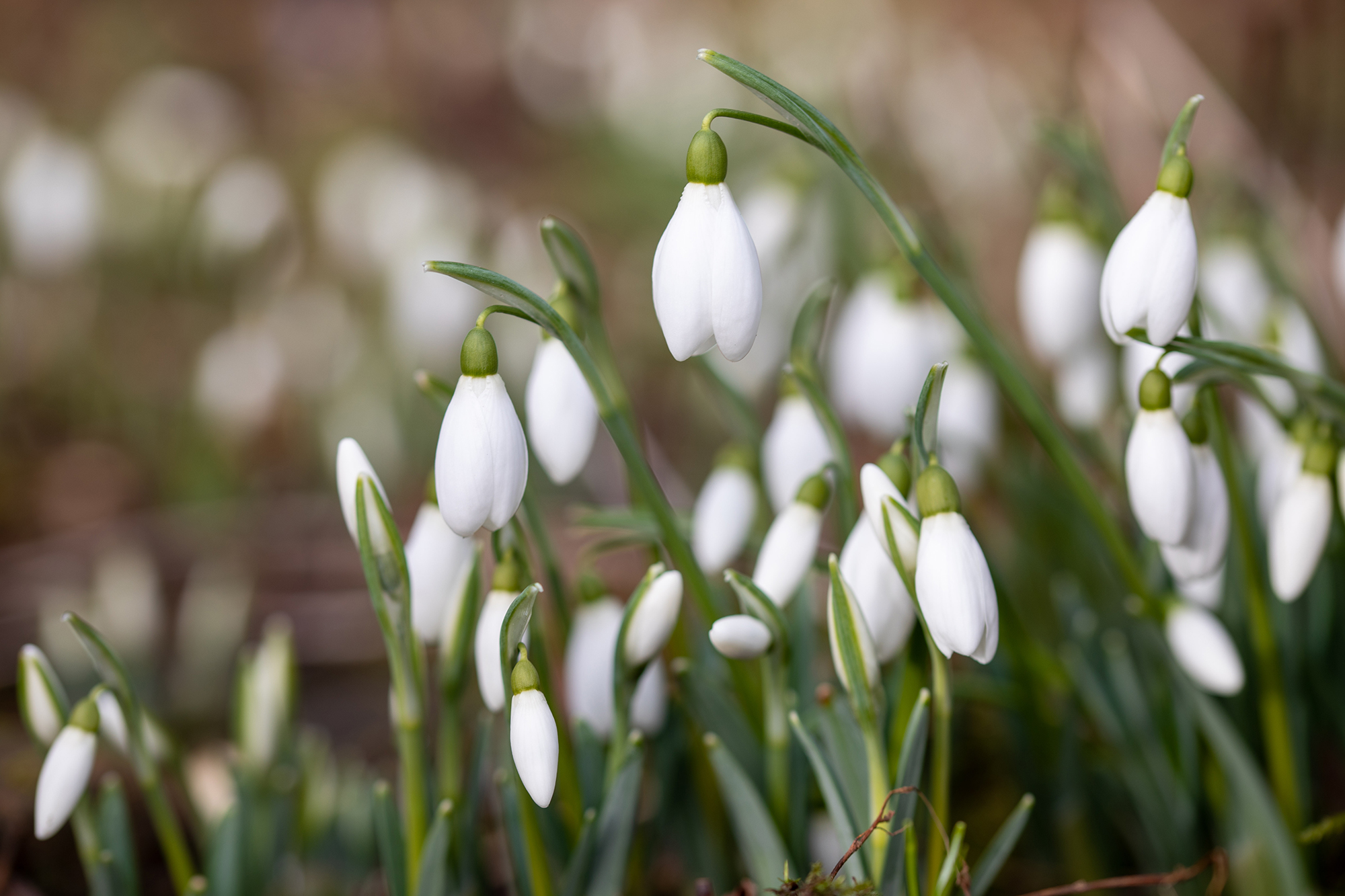
The snowdrops have been persistent with all the snow we have recently received. They will remain for quite a few days alongside the crocuses and emerging daffodils.
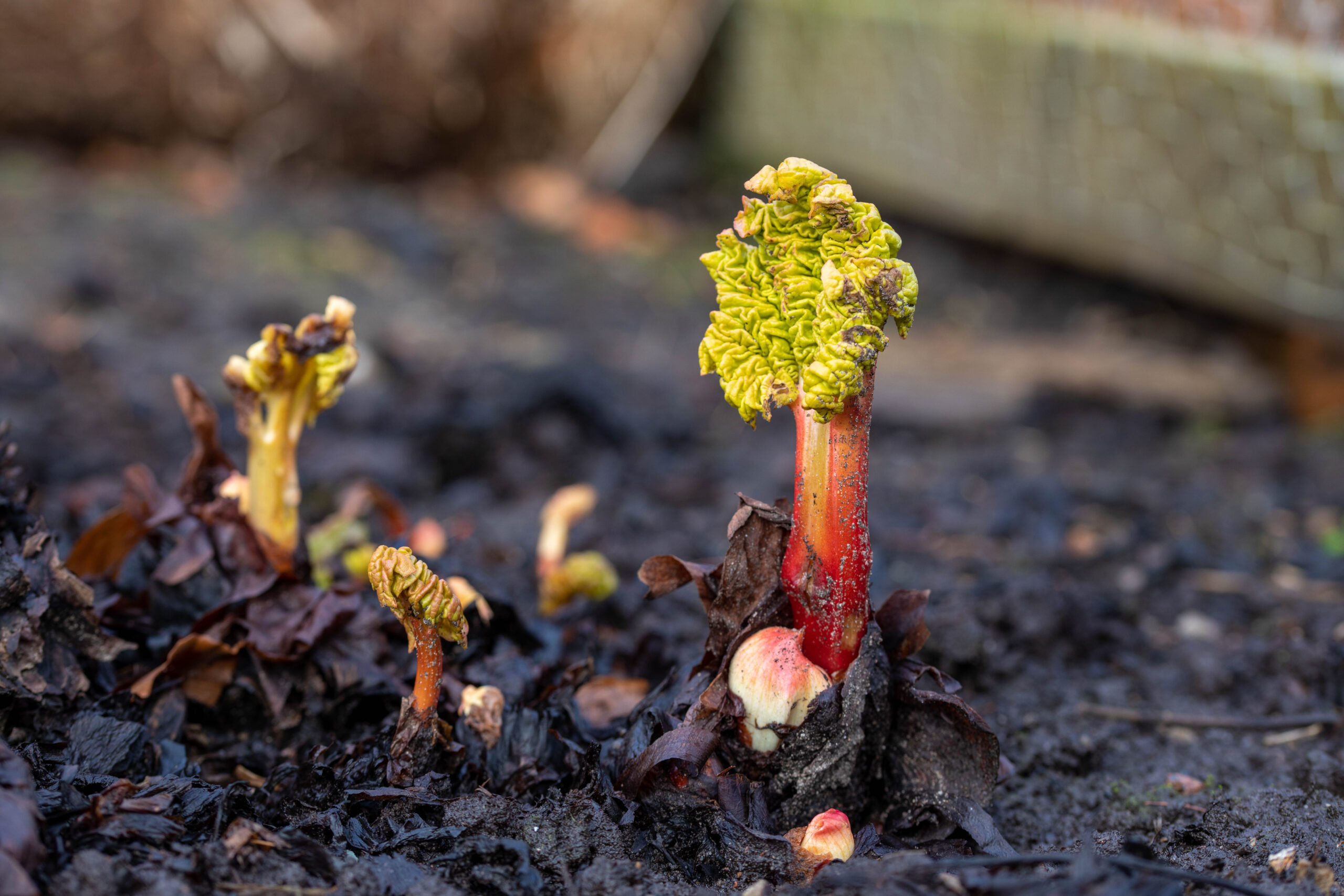
We have been checking the garden rhubarb, but only a small amount of red can be seen so far. We like to use as much of the ‘outdoor’ rhubarb that we can find for our ‘Rhubarb and Ginger Chutney’, supplementing that bought at local markets. It looks like it will be into April before we will be making that recipe again.
One fascinating phenomenon over the big freeze was finding ‘Ice Wool’ in a wooded area close to the village. This has the unique appearance of white fibrous ice. Like insulation, it forms as a fungus on dead wood, and it causes the moisture in the timber to evaporate and freeze. It is generally only seen in wooded areas. The conditions have to be just right as if the wood is too cold and frozen solid the formation does not happen. We managed to see it two days in a row, and then it melted not to be seen again. This was a first in a lifetime sighting so very exciting.
On the sunnier days when we’ve experienced some warmth in the air, we can hear the birds starting to be more vocal and louder as they search out mates for the Spring. It’s blissful hearing that. We’ve had some excellent winter sightings this year with the river Kingfisher, and a resident Stonechat which is fairly unusual for the area.
So the countdown truly begins. In 2020 the first sand martin was seen locally on the 1st April, quite early really. Our eyes will be pealed nearer the time to see what time they arrive this year.