

It’s been an exceptional harvest this year for our main seasonal ingredients of apples, pears and plums in Simonburn. The spring bloom was very good; we saw less frost than in previous years, so the warm summer left us with bountiful fruit.
These harvest fruits are used to make four of our most popular varieties of chutney:
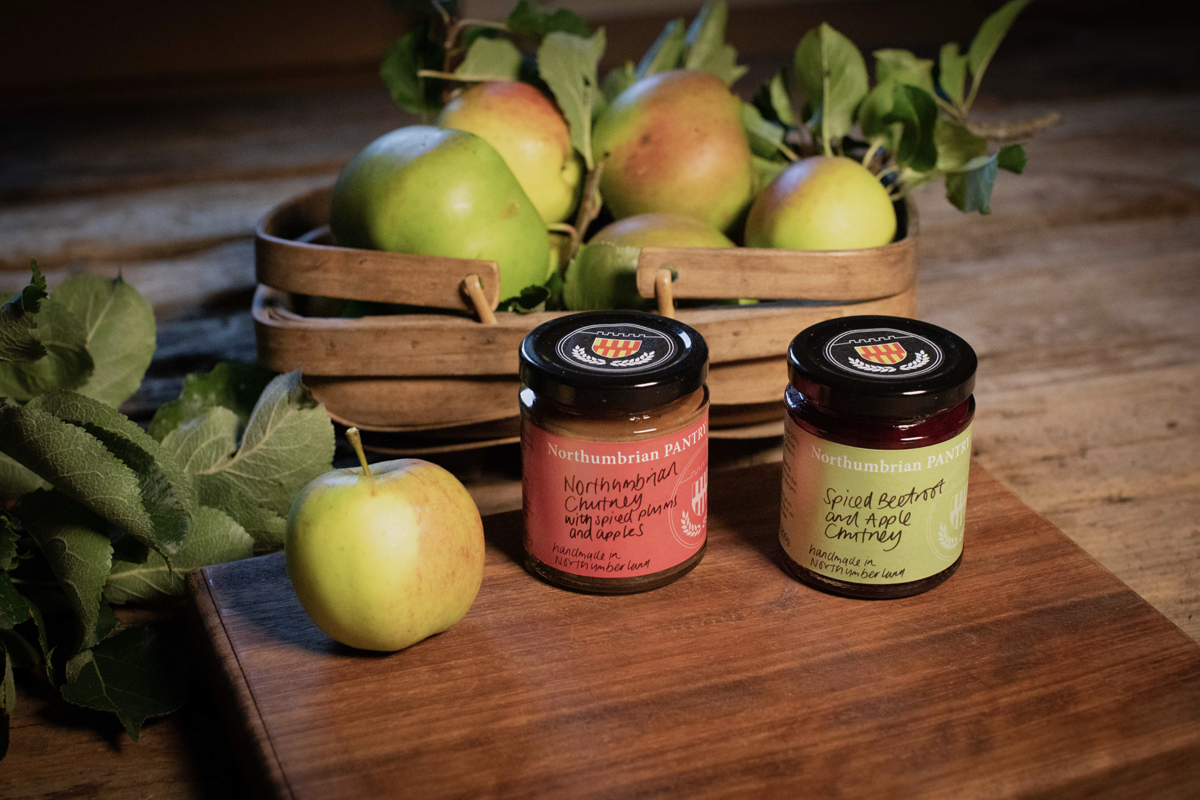
Northumbrian Chutney with Spiced Plums and Apples
Spiced Beetroot and Apple Chutney
Pear and Ginger Chutney
Pickled Spiced Pears
We have created an article summarising fun and interesting facts about our harvest fruits.
We hope you enjoy it!
Best wishes Alice
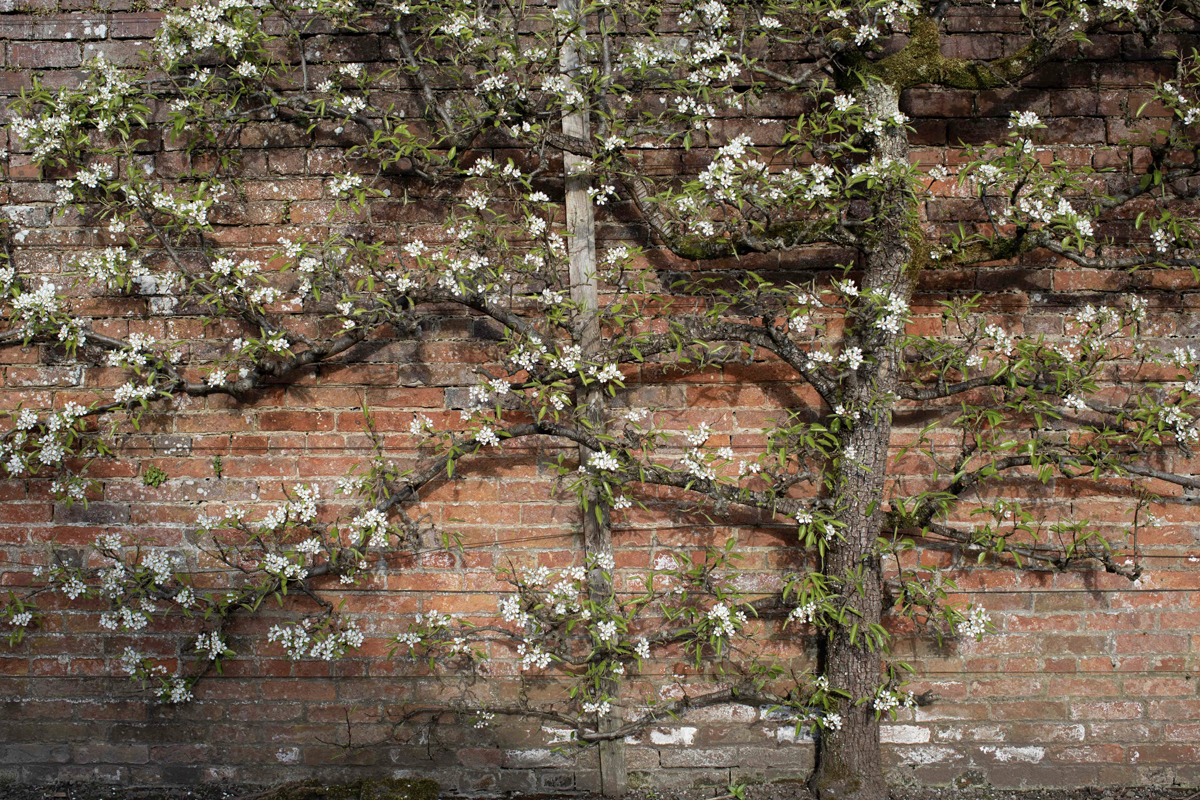
Did you know Apples, Pears, and Plums come from the rose family, especially when they are in full bloom in the spring?
We have had a good year locally for apples in particular. We source them directly from several places, although this year, a good proportion came directly from our garden in Simonburn.
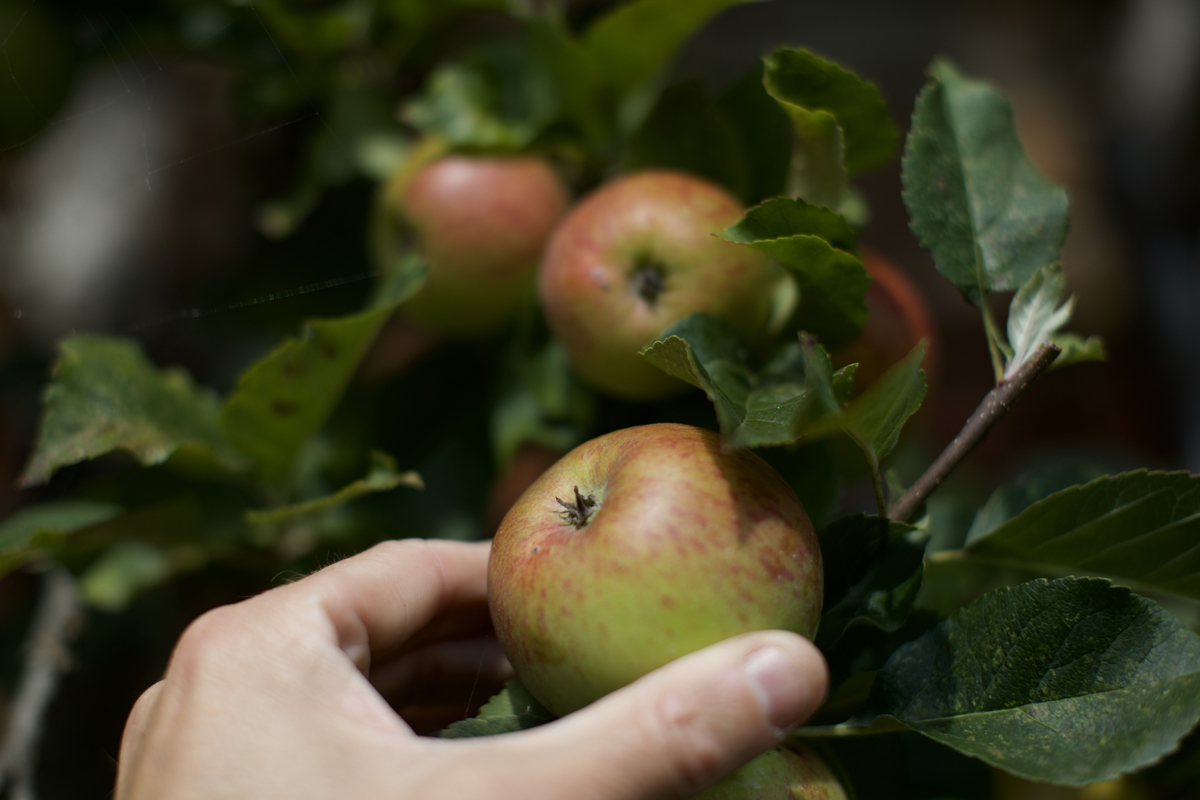
There are around 8,000 varieties of apples in the world, with up to 2,000 found in the UK alone. Incredibly half of the world’s deciduous trees are apple trees. High fibre and 25% air make them perfect for bobbing at Halloween.
Our ‘Northumbrian Chutney’ with ‘Spiced Plums and Apples’ comes from an old family recipe of mine and has become one of our best-selling varieties.
The science of growing apples is called pomology. Most of the world’s apples are still picked by hand. A gentle lift and twist is the best technique.
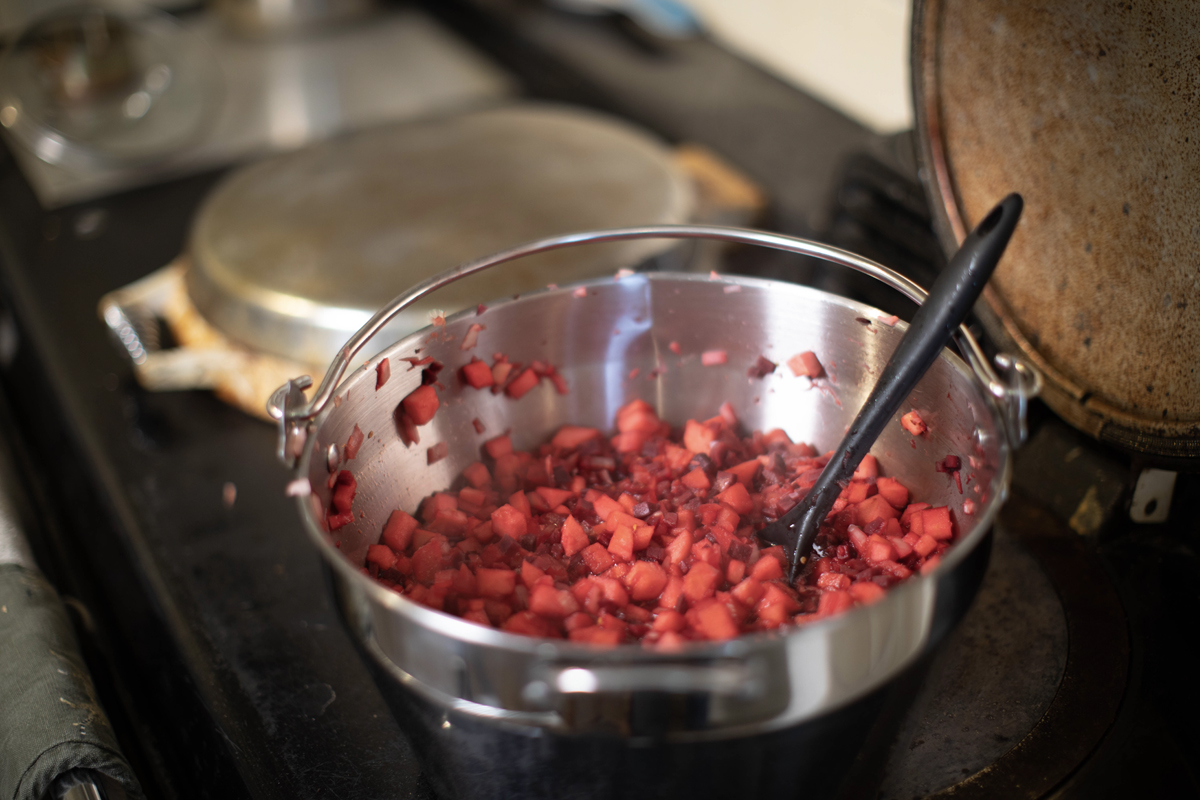
In 2021 our ‘Spiced Beetroot and Apple Chutney’ won a Great Taste Award. Ever popular on the cheeseboard, this is often our best recommendation to have with Goats cheese.
It can take 4 to 5 years for an apple tree to bear fruit, with a commercial lifespan of up to 20 to 25 years.
We only use cooking apples in our ‘Northumbrian Chutney with Spiced Plums and Apples’. Eating apples would be too sweet but lose their consistency once cooked, producing a somewhat mushy chutney.
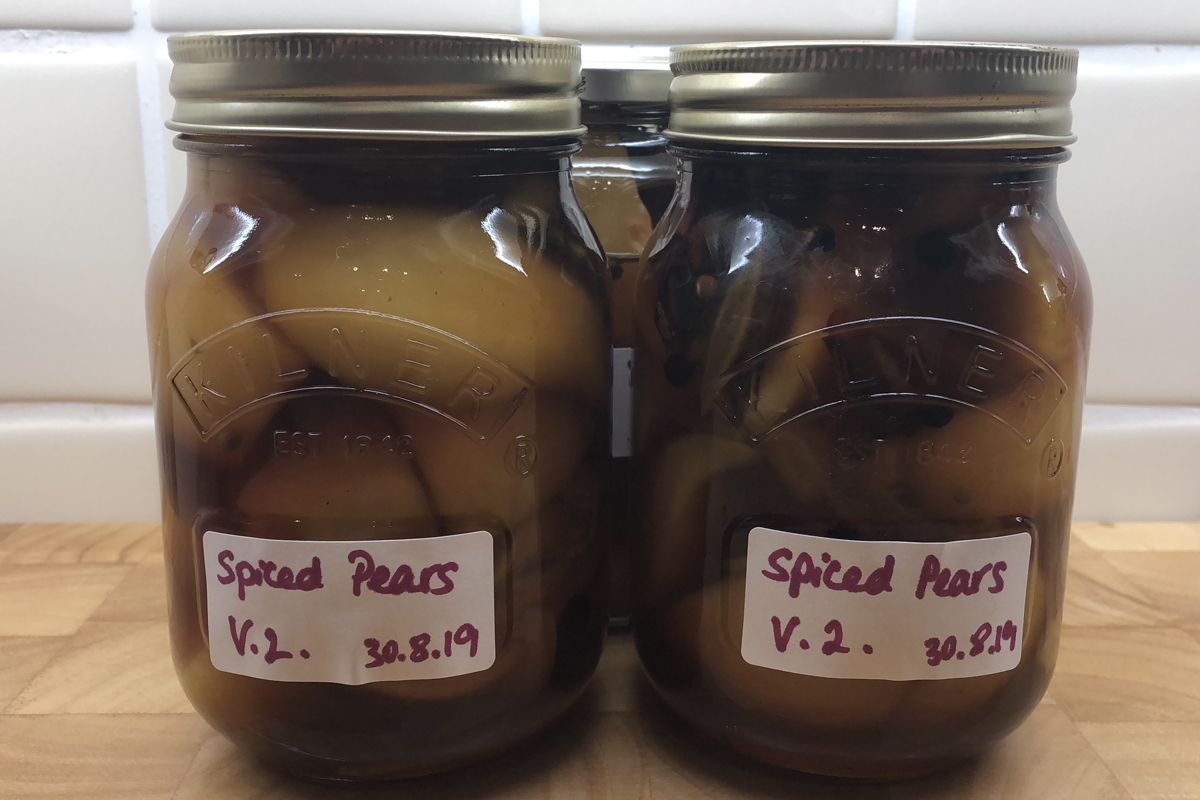
Spiced Pickled Pears – one of the first-ever varieties we created was from pickling pears from my sister Jane’s walled garden. The exact recipe is used in our recently launched pickled range.
Pears pickle particularly well as they keep their consistency nicely. Their smooth flavour balances out the sharpness of the vinegar. They are less acidic than apples.

Pears ripen particularly well when they are off the tree, so we must be careful to pickle them at just the correct ripeness. A very gentle squeeze helps us assess this.
We use pears for our ‘Pear and Ginger Chutney’ and our new ‘Pickled Spiced Pears’. The fruits are all hand prepared with care. Pears used to be called “butter fruit” due to their soft butter-like texture, so we handle them with much care.
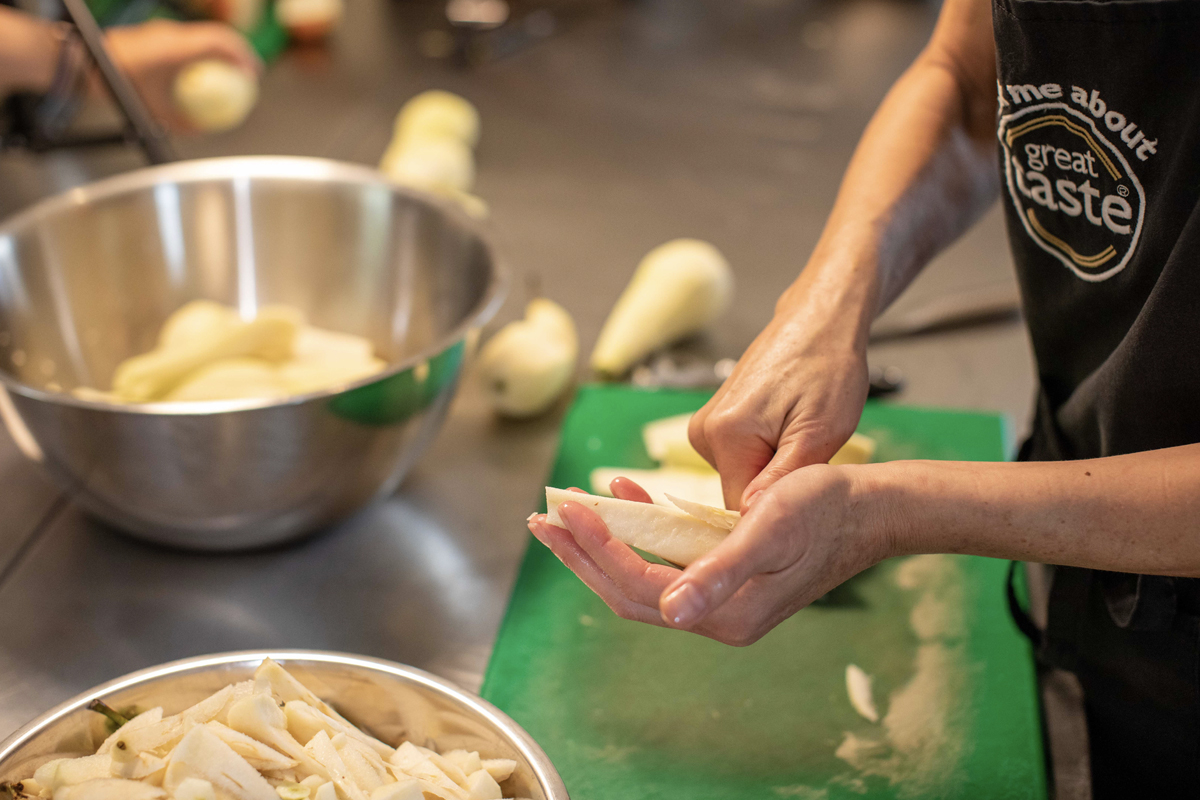
Did you know there are around 3,000 types of pears in the world? Similar to apples, they usually take about four years to bear fruit and can last up to 50 years.
Pearwood is particularly good for making furniture, musical instruments and wood carvings. And it is excellent for making cooking utensils as it is so hard.
The most expensive pear in the world is called a Buddha Pear. If we were to make our Spiced Pickled Pears using them, they would cost around £25 per jar!
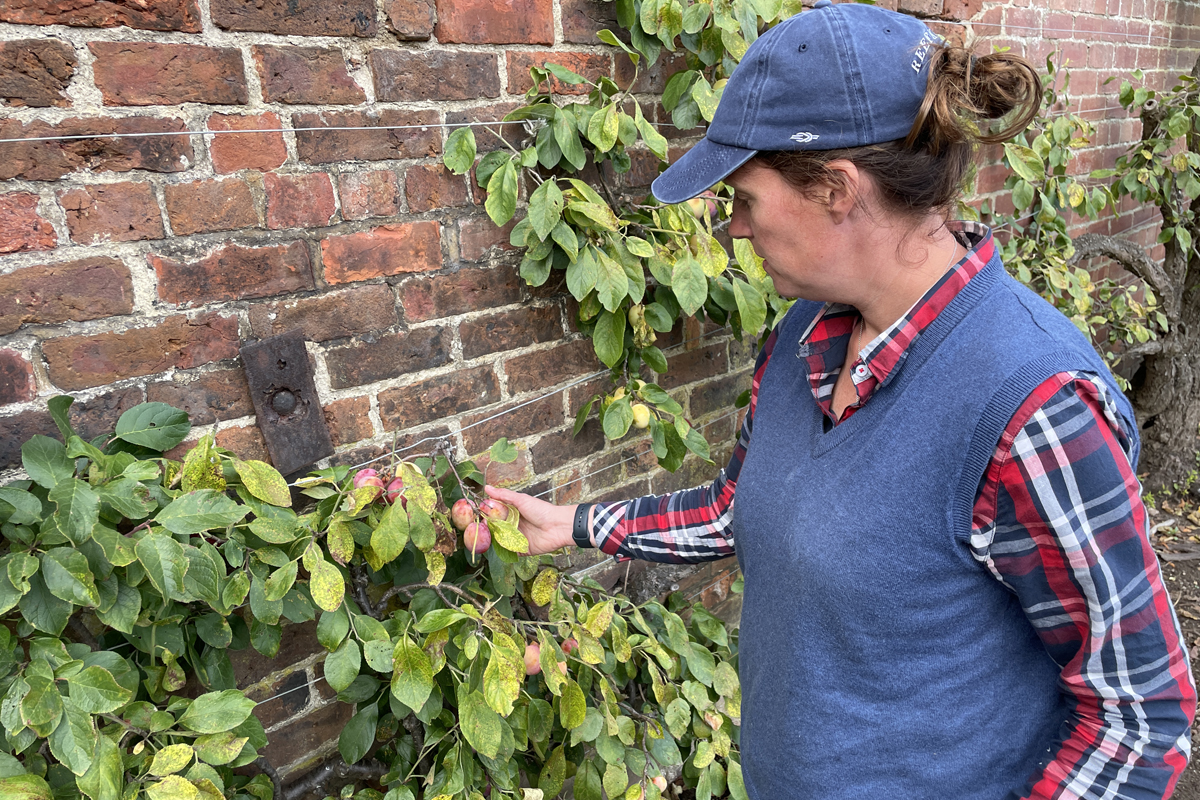
Plums are a tricky ingredient as they soften quickly once picked. Classed as stone fruit, botanically, the plum is known as a drupe as its fleshy outside surrounds a single stone or pip.
Plums are the central ingredient for our famous ‘Northumbrian Chutney’, which uses plums and apples. It is one of our most versatile varieties; dark and rich, it pairs very well with many foods.
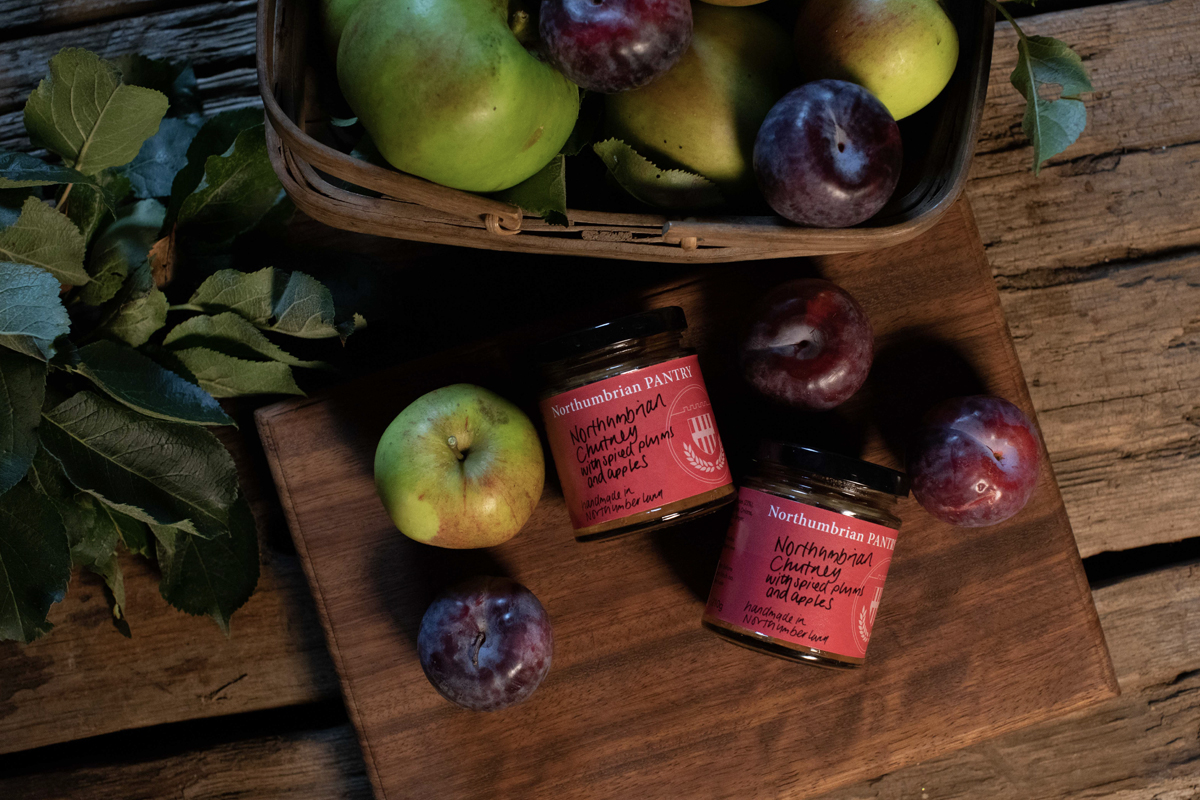
“A Wax Bloom” – Did you know mature plums can have a dusty-white coating, a naturally occurring epicuticular natural called a wax bloom? This reduces the moisture loss from the skin’s surface to keep the flesh nice and juicy.

Fascinating plum fact – There are over 340 varieties of plum in the UK, and each of their stones has a distinct surface pattern, size and shape, like a unique fingerprint. Wye College in Kent recovered 100 plum stones that were found in the wreck of the Mary Rose ship that sank in 1545 and was raised in the 1980’s off Portsmouth. They were able to compare the stone’s fingerprints from the National Fruit Collection in Brogdale to discover they were varieties of cherry plums, greengages, bullaces and a Catalonia plum.